
Ten years ago, Westlands was known primarily as a commercial district. Office towers, shopping malls, and restaurants defined the area. Residential options were limited and unremarkable. Today, Westlands is Nairobi’s most desirable luxury residential address, and the transformation has created extraordinary wealth for early investors.
The luxury apartment boom in Westlands isn’t a bubble. It’s the natural evolution of a district that concentrates everything affluent Kenyans, expatriates, and diaspora investors want: proximity to business, security, modern amenities, and lifestyle convenience. Understanding what’s driving this surge helps investors position themselves for the next wave of appreciation.
Why Westlands became the luxury epicenter
Several forces converged to create the Westlands luxury boom. The Westlands Link Road and improved connectivity to Waiyaki Way reduced commute times, making the area practical for daily life rather than just office hours. International hotel brands moving in, including Radisson Blu and Hilton, signaled global confidence in the area’s trajectory.
The concentration of embassies, international organizations, and multinational headquarters created a captive market of high-earning expatriates who need quality housing near their offices. These tenants pay premium rents, on time, every month. That reliability attracted developers, who responded with increasingly sophisticated residential projects.
Security infrastructure improved dramatically. Gated compounds, 24-hour surveillance, and proximity to major hospitals created the safety profile that luxury buyers demand. Unlike some Nairobi neighborhoods where security remains inconsistent, Westlands now offers a level of residential security comparable to premium districts globally.
What luxury looks like in Westlands today
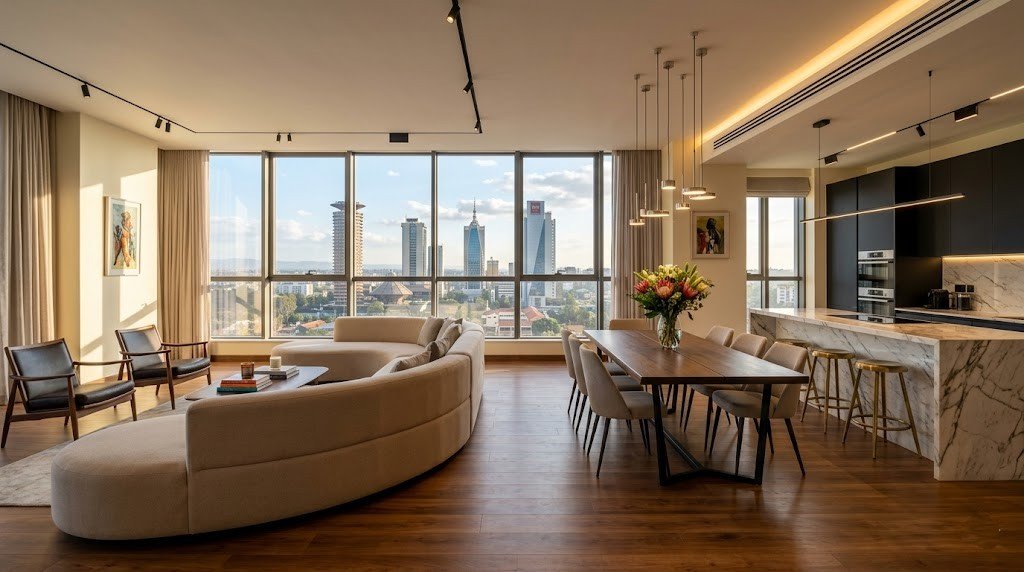
Modern Westlands developments bear no resemblance to the apartment blocks of a decade ago. Today’s luxury projects feature floor-to-ceiling glass, smart home technology, private gyms and pools, rooftop entertainment areas, concierge services, and finishes that rival anything in Dubai or London.
Two-bedroom apartments range KES 25-45 million depending on the development and floor level. Three-bedroom penthouses with panoramic city views command KES 60-100 million or more. The premium end of the market continues pushing higher as developers respond to demand from Kenya’s growing ultra-high-net-worth segment.
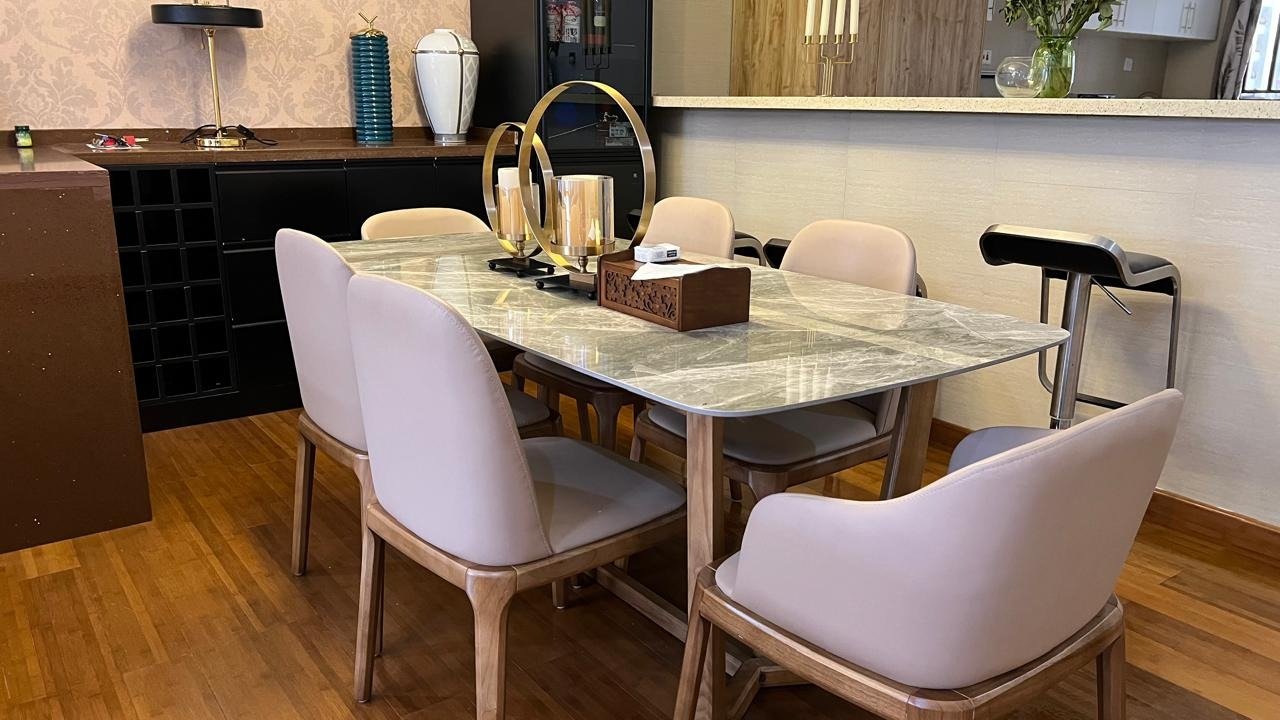
Furnishing quality has elevated significantly. Imported fixtures, European kitchen appliances, marble finishes, and designer lighting are standard in premium developments. This matters for investors because higher-quality finishes command higher rents and attract better tenants who stay longer.
The investment case by the numbers
Capital appreciation in premium Westlands developments has averaged 10-15% annually over the past five years. A two-bedroom purchased at KES 20 million in 2020 now values at KES 30-35 million. That’s KES 10-15 million in equity created without lifting a finger.
Rental yields average 4-6% for unfurnished units and 6-9% for furnished apartments targeting short-term corporate tenants. The serviced apartment model, where units are managed like hotel rooms with cleaning and concierge, pushes yields even higher but requires professional management.
Vacancy rates remain exceptionally low. Premium Westlands apartments rarely sit empty for more than 2-3 weeks between tenants. Corporate relocation demand, diplomatic housing needs, and growing local affluence ensure consistent occupancy throughout the year.
Who's buying and why it matters
The buyer profile has diversified significantly. Wealthy local Kenyans account for the largest segment, buying for personal use and investment. Diaspora Kenyans represent a fast-growing segment, purchasing remotely as investment properties managed professionally. Foreign investors and expatriates buying for both lifestyle and portfolio reasons round out demand.
This diversity of demand is what makes Westlands resilient. Unlike markets dependent on a single buyer segment, Westlands draws from multiple pools of capital. If diplomatic demand softens, corporate demand fills the gap. If local buying slows, diaspora capital steps in. This diversification provides downside protection that most Nairobi neighborhoods lack.
What's next for Westlands luxury
Available land in prime Westlands is shrinking, which means new supply is slowing while demand continues climbing. This supply constraint is the most powerful force pushing prices higher. Developers who can secure prime plots are building ultra-premium projects at price points that would have been unthinkable five years ago.
Smart home technology is becoming standard rather than premium. New developments integrate app-controlled lighting, security, climate, and entertainment systems. Properties without these features will increasingly look dated, which may create a bifurcation between modernized and legacy buildings.
The message for investors is clear: entry prices will not get lower. Every quarter of delay means paying more for the same quality. The window for acquiring premium Westlands apartments at current valuations is closing steadily.
How BROADEVER gives you access to Westlands luxury
We maintain an active portfolio of premium Westlands apartments across multiple developments and price points. Every listing has undergone full title verification, legal due diligence, and investment analysis before it reaches you. Whether you’re looking for a rental income property or a long-term appreciation asset, our team matches you with the right unit in the right building.
For diaspora investors, we handle everything remotely: virtual viewings, transaction management, and professional property management from day one.
Schedule a consultation: broadever.com/contact
Call or WhatsApp: +254 758 212858
Email: sales@broadever.com
Visit us: 9 West, Westlands, Nairobi