
Every property portfolio starts with one purchase. The difference between investors who build serious wealth and those who stop at a single apartment is strategy. Not luck, not connections, not starting capital. Strategy.
Kenya’s property market is uniquely suited for portfolio building. Entry points exist at multiple price levels. Appreciation rates create equity that funds subsequent purchases. Rental income from early acquisitions services debt on later ones. And the market’s structural growth drivers, population expansion, urbanization, and rising incomes, provide a tailwind that rewards patient, systematic investors.
Here’s how to go from your first property to a portfolio that generates meaningful passive income.
Phase one: your first property
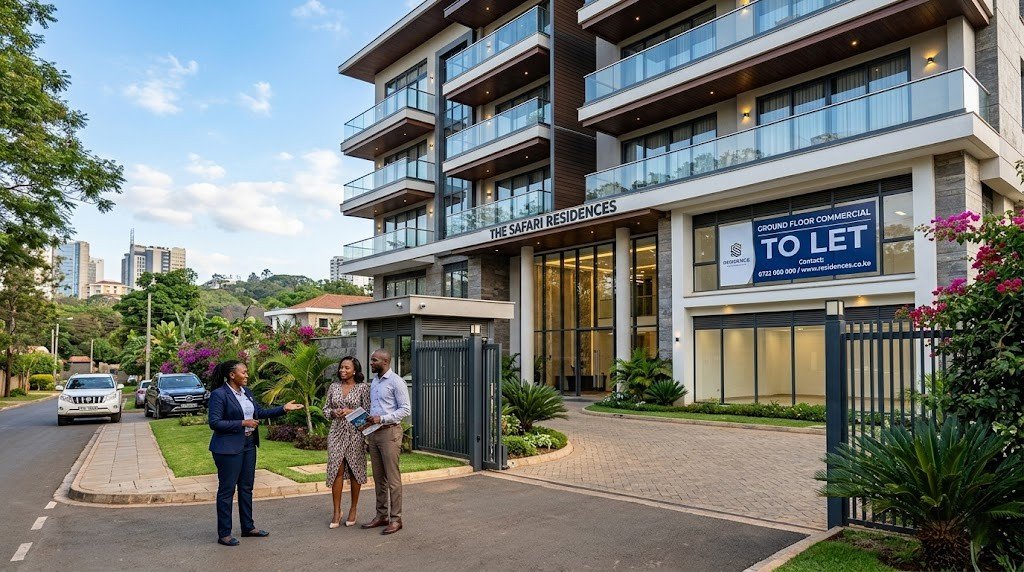
Your first property should prioritize learning over maximum returns. Buy something manageable in a proven location. A one or two-bedroom apartment in an established area like Kilimani, Kileleshwa, or Kiambu is ideal. Avoid exotic or speculative purchases for your first deal.
Budget KES 5-15 million for your first acquisition depending on your financial position. The goal isn’t to buy the most expensive property you can afford. It’s to complete a full transaction cycle: purchase, tenant placement, rent collection, maintenance management, and potentially refinancing or selling. Every step teaches you something that makes your second purchase smarter.
Use professional management from day one, even if you live nearby and think you can handle it yourself. Learning how professional management works on your first property sets the standard for your entire portfolio. It also frees your time to focus on the next acquisition rather than getting consumed by daily operations.
Phase two: using equity to scale
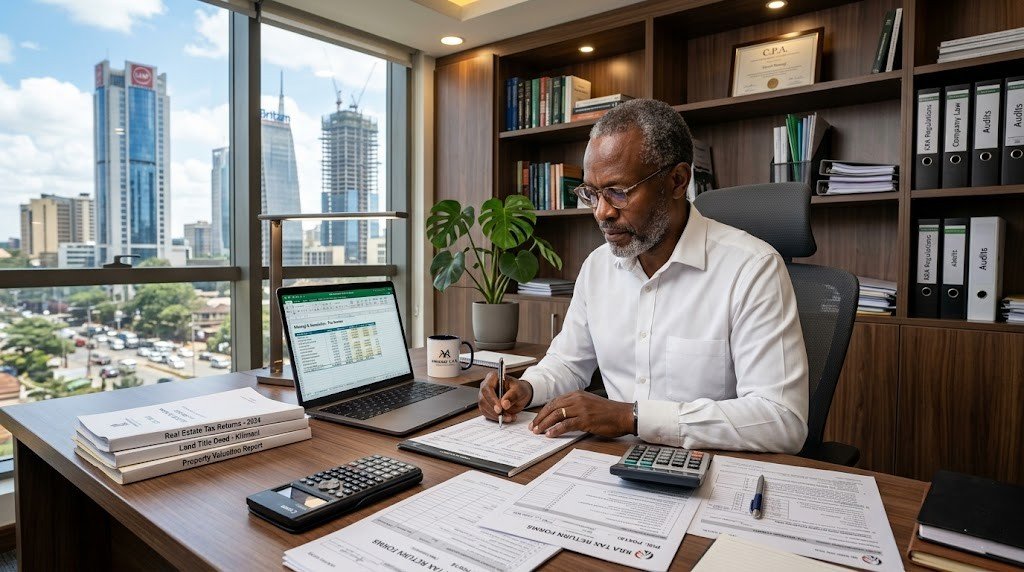
After 2-3 years, your first property has likely appreciated 20-40% in value. That equity is the fuel for your second purchase. You have three options for accessing it.
Refinance the first property. Kenyan banks will typically lend up to 70-80% of the current market value. If your property appreciated from KES 10 million to KES 14 million, you can potentially access KES 2-4 million in new capital through refinancing. The rental income from the first property helps service the increased mortgage.
Sell and reinvest. If the first property was in a high-appreciation area, selling and reinvesting the proceeds plus gains into a larger or higher-yielding property can accelerate portfolio growth. The downside is losing the ongoing rental income stream.
Save and stack. Continue collecting rental income from the first property while saving additional capital from your primary income. When you have enough for a deposit on the second property, buy it. This is slower but involves no additional debt and no sale transaction costs.
The right approach depends on your risk tolerance, income stability, and growth targets. Most successful portfolio builders use a combination of all three over time.
Phase three: diversify across property types and locations
Once you have 2-3 properties generating income, start diversifying. Different property types and locations respond differently to market conditions, and spreading your portfolio reduces risk while capturing growth from multiple sources.
A balanced portfolio might include a Westlands apartment for stable rental income, a Kiambu property for capital appreciation, and a Diani coastal villa for holiday rental yields. Adding a small commercial unit, such as an office space in Upper Hill or retail space in a growing suburb, introduces a different income profile with longer leases and higher yields.
Geographic diversification protects against localized risks. A water shortage affecting Kiambu doesn’t impact your Westlands apartment. A tourism downturn affecting Diani doesn’t touch your commercial income in Nairobi. The more diversified your portfolio, the more resilient your income stream.
The passive income milestone
True passive income from property requires scale and systems. A single apartment generating KES 80,000 monthly after management fees isn’t passive income. It’s supplementary income that you monitor anxiously. Five properties generating KES 400,000-600,000 monthly after all costs, managed professionally with systems that run without your daily involvement, that’s passive income.
Most investors who start today and execute consistently can reach this milestone within 8-12 years. The math works because each property’s appreciation creates equity for the next purchase, each property’s rental income helps service debt on subsequent acquisitions, and Kenya’s market growth provides a structural tailwind that compounds your returns over time.
The biggest obstacle isn’t capital. It’s patience. Building a portfolio is a decade-long project, not a quick win. Investors who understand this from the beginning make better decisions at every step because they’re optimizing for long-term portfolio performance rather than short-term excitement.

How BROADEVER helps you build a portfolio
Portfolio building is what we do best. We work with investors at every stage, from first-time buyers exploring their initial purchase to experienced investors scaling to their fifth or tenth property. Our team provides market analysis, property sourcing across multiple Kenyan markets, full legal due diligence, transaction management, and professional property management for every asset in your portfolio. One team. One relationship. Every property covered.
Schedule a consultation: broadever.com/contact
Call or WhatsApp: +254 758 212858
Email: sales@broadever.com
Visit us: 9 West, Westlands, Nairobi