
You bought the property. You found a tenant. The rent is coming in. Everything looks good on paper. Then the plumbing fails and nobody addresses it for three weeks. The tenant stops paying because the issue isn’t fixed. They eventually leave, and you discover water damage that costs more to repair than six months of rental income.
This story plays out constantly across Kenya, and almost always for the same reason: the property isn’t professionally managed. Whether you live in Nairobi or London, managing rental property without professional support is the single biggest threat to your investment returns.

The real cost of self-management
Most landlords who self-manage believe they’re saving the 8-12% management fee. In reality, they’re usually losing far more than that through inefficiencies they don’t measure.
Vacancy gaps are the silent killer. A professionally managed property typically re-lets within 2-3 weeks of a tenant leaving. Self-managed properties average 4-8 weeks of vacancy between tenants. On a KES 100,000 monthly rent, every extra month of vacancy costs you KES 100,000. Two extra months per year wipes out any savings from avoiding a management fee.
Rent pricing mistakes compound over time. Setting rent too low by even KES 10,000 per month means KES 120,000 lost annually. Professional managers use market data to price competitively, maximizing income without driving away tenants. Most self-managing landlords price based on gut feeling or what their neighbor charges.
Deferred maintenance destroys property value. Small issues that go unfixed become expensive structural problems. A KES 5,000 plumbing repair ignored for six months becomes a KES 150,000 water damage restoration. Professional management catches problems early when fixes are cheap.
What professional management actually covers
Tenant screening is the foundation. Professional managers verify employment, income, rental history, and references before placing a tenant. This single step eliminates the majority of problem tenancies. Bad tenants are expensive. Evictions in Kenya can take months and cost hundreds of thousands in lost rent and legal fees. Screening prevents this.
Rent collection and enforcement. Professional managers have systems for timely collection, automated reminders, and clear escalation procedures for late payments. They handle the uncomfortable conversations so you don’t have to. They also maintain proper records that protect you legally if disputes arise.
Maintenance coordination. Vetted contractors, competitive pricing, quality oversight, and rapid response to emergencies. A professional manager has relationships with reliable plumbers, electricians, and general contractors who respond quickly because they want the ongoing business. A self-managing landlord calls whoever answers their phone first and hopes for the best.
Legal compliance. Kenyan tenancy law has specific requirements around notice periods, deposit handling, rent increase procedures, and eviction processes. Professional managers know these regulations and follow them. Non-compliance can result in costly legal disputes where the landlord loses despite being in the right on the underlying issue.

Why diaspora investors need management most
If you live outside Kenya, professional management isn’t optional. It’s the difference between a property that builds wealth and one that becomes a headache you can’t resolve from 5,000 miles away.
Time zone differences mean emergencies happen while you’re sleeping. A burst pipe at 2am Nairobi time is 11pm London time and 6pm New York time. Without someone on the ground authorized to make decisions, small emergencies become expensive disasters.
The relative management trap is real. Asking a cousin, uncle, or friend to “keep an eye on things” creates accountability gaps that damage both the property and the relationship. They have their own lives and priorities. Your property will always be secondary. When things go wrong, the conversation gets personal, and it rarely ends well.
Professional managers provide regular reporting: monthly income statements, maintenance logs, tenant updates, and property condition assessments. You stay informed and in control without needing to be physically present. Decisions are made based on data and professional judgment, not convenience or personal relationships.
How to choose the right property manager
Ask how many properties they currently manage. Scale matters. A manager handling 5 properties operates differently from one handling 200. You want someone with enough portfolio to have systems in place but not so many that your property gets lost in the crowd.
Request references from current clients, especially diaspora investors. Talk to people in your situation. Ask about communication frequency, problem resolution speed, and whether income reports arrive on time.
Understand the fee structure completely. Management fees, letting fees, maintenance markups, and any other charges should be transparent before you sign. Hidden fees are a red flag that usually signals broader operational problems.
Evaluate their tenant screening process. If they can’t clearly explain how they vet tenants, they’re probably not doing it rigorously. Weak screening is the root cause of most property management failures.
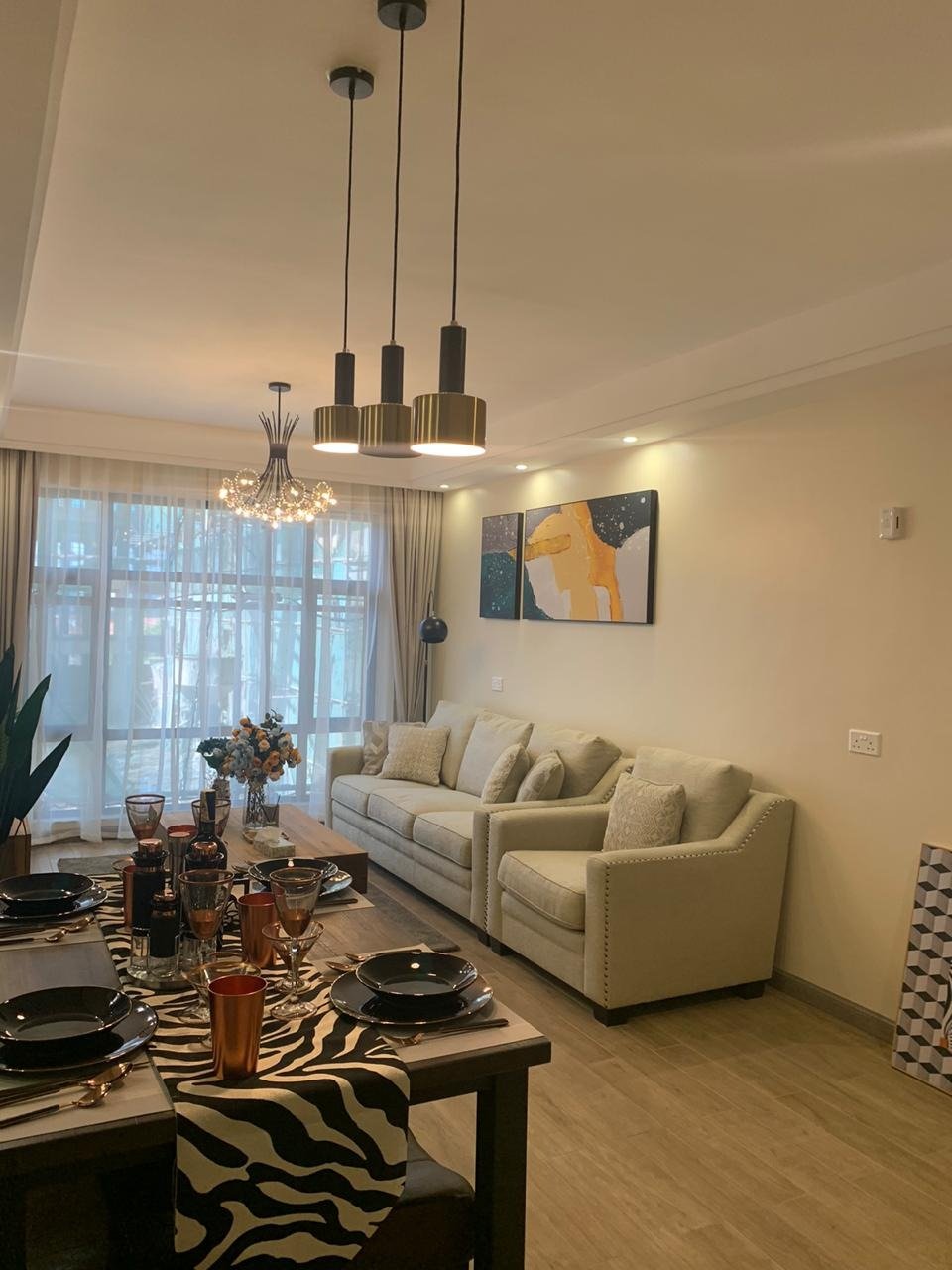
How BROADEVER manages your property
Property management is core to what we do, not an afterthought. We handle tenant screening, rent collection, maintenance coordination, financial reporting, and regulatory compliance for every property in our portfolio. Our clients receive monthly reports and have direct access to their dedicated property manager. Whether your property is in Westlands, Kiambu, or Diani, we treat it like our own investment, because our reputation depends on your results.
Schedule a consultation: broadever.com/contact
Call or WhatsApp: +254 758 212858
Email: sales@broadever.com
Visit us: 9 West, Westlands, Nairobi